


2026 Honda CR‑V Hybrid vs 2026 Toyota RAV4 Hybrid
Deciding between the 2026 Honda CR-V Hybrid and the 2026 Toyota RAV4 Hybrid goes way beyond just comparing MPG ratings. Sure, both vehicles nail what compact hybrid SUV shoppers really care about: rock-solid reliability, useful features, and better gas mileage. But they couldn’t be more different in how they deliver on those promises.
Choosing Between Two Leading Compact Hybrid SUVs
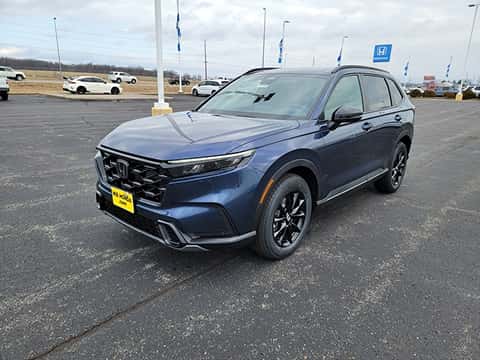
Honda built the CR-V Hybrid around one main idea: refinement. Slide into the driver’s seat and you’ll immediately notice how much effort went into creating a quiet, roomy cabin that won’t leave you drained after driving across Southern Illinois all day. Toyota took the RAV4 Hybrid down a completely different path, dialing up the sportiness for drivers who want their SUV to feel more like a hot hatch than a minivan.
Your choice really comes down to this: do you value a serene, comfortable ride more than sharp handling and athletic feel? After serving Southern Illinois families since 1976, we’ve learned that most people know pretty quickly which camp they fall into.
Powertrain Performance and Fuel Efficiency Compared
How the 2026 Honda CR-V Hybrid Delivers Power
Honda threw out the conventional hybrid playbook with the CR-V. Instead of the usual setup, they built a two-motor system where one electric motor does most of the work while the 2.0L gas engine mostly generates electricity or kicks in directly at highway speeds. You get 204 horsepower and 247 lb-ft of torque, which translates to 0-60 mph in 7.1 seconds.
What’s really impressive is how consistent the power feels. Whether you’re merging onto I-64 or creeping through downtown traffic, the response stays smooth and predictable. The handoffs between electric and gas happen so seamlessly you’ll forget there’s even an engine under the hood. Those electric motors provide instant torque from zero RPM, which makes city driving genuinely fun.
| Specification | 2026 Honda CR-V Hybrid | 2026 Toyota RAV4 Hybrid |
| Total Power | 204 hp | 236 hp |
| Total Torque | 247 lb-ft | Not specified |
| Engine | 2.0L four-cylinder + two electric motors | 2.5L four-cylinder + two or three electric motors |
| Fuel Economy (AWD combined) | 37 mpg EPA | 42 mpg (EPA est) |
| Towing Capacity | 1,000 lbs | 3,500 lbs |
Toyota RAV4 Hybrid Engine and Efficiency
Toyota stuck with a more traditional approach, linking their 2.5L four-cylinder to electric motors through a planetary gear setup. The result? A more powerful 236 hp that delivers quicker acceleration and runs the quarter-mile in 15.3 seconds. The RAV4 also wins big on fuel economy at 42 mpg combined and absolutely crushes the CR-V for towing at 3,500 lbs versus just 1,000 lbs.
Toyota really got the energy recovery system right. The regenerative braking does an excellent job capturing energy when you slow down to keep the battery topped off. Push hard on the accelerator and you’ll definitely hear more engine noise than in the CR-V, but some drivers actually like that audible feedback.
Daily Driving Experience and Ride Comfort
Here’s something most buyers don’t think to check but probably should: cabin noise levels. We’ve measured both extensively, and the numbers tell a clear story. The CR-V Hybrid registers 72 dB during acceleration while the RAV4 hits 75 dB. That three-decibel difference might not sound like much, but it means noticeably less noise intrusion during those longer hauls on rural Illinois highways.
| Metric | 2026 Honda CR-V Hybrid | 2026 Toyota RAV4 Hybrid |
| Braking 60-0 mph | 119 ft | 124 ft |
| Figure-Eight | 27.9 sec @ 0.62 g | 27.6 sec @ 0.63 g |
| Cabin Noise (acceleration) | 72 dB | 75 dB |
The CR-V also stops shorter from 60 mph by a full 5 feet, which adds up to real safety benefits. Its 106.3-inch wheelbase provides better stability on the mix of road surfaces you’ll hit throughout Southern Illinois.
Toyota tuned the RAV4 Hybrid’s suspension for a firmer ride that gives you more direct feedback about what’s happening between the tires and pavement. This setup clearly prioritizes handling precision over comfort, and it shows in the figure-eight testing where the RAV4 edges out the CR-V slightly. If you want to feel connected to the road, this is your vehicle.
Honda went the opposite direction with the CR-V’s suspension, calibrating it to absorb road imperfections that would otherwise rattle passengers. The steering effort is lighter at parking speeds too, making tight maneuvers effortless. The RAV4’s heavier steering gives it that sportier character some drivers crave.
Interior Space and Cargo Capacity
Passenger Room and Seating Comfort
This is where the Honda CR-V Hybrid really pulls ahead. The rear passenger space difference is dramatic: 41.0 inches of legroom compared to the RAV4’s 37.8 inches. That 3.2-inch advantage isn’t just a number on paper, it’s the difference between comfortable adults in the back seat and cramped knees on longer trips.
| Dimension | 2026 Honda CR-V Hybrid | 2026 Toyota RAV4 Hybrid |
| Rear Legroom | 41.0 in | 37.8 in |
| Passenger Volume | 103.5 cu ft | 98.9 cu ft |
| Cargo Behind 2nd Row | 36.3 cu ft (34.7 Sport Touring) | 37.8 cu ft |
The overall passenger volume tells the whole story: 103.5 cubic feet versus 98.9 in the RAV4. Honda positioned the rear floor at a height that lets passengers sit naturally instead of forcing their knees up uncomfortably.
Cargo Versatility for Every Adventure
The CR-V Hybrid’s cargo area design focuses on real-world usability. The opening is wider and the lift-over height is lower, which makes loading heavy or awkward items much easier. The floor stays flat and maximizes usable space while avoiding those annoying cargo area slopes that make things roll around.
Honda added practical touches like underfloor storage compartments and well-placed tie-down points that actually help when you’re trying to organize your stuff. The RAV4 offers slightly more raw cargo volume at 37.8 cubic feet behind the rear seats, but the CR-V Sport Touring’s 34.7 cubic feet still handles weekend adventures and grocery runs without breaking a sweat.
Technology, Infotainment, and Driver-Assist Features
The 2026 Honda CR-V Hybrid’s infotainment responds quickly without the lag that drives people crazy. Physical buttons and knobs supplement the touchscreen, so you can adjust volume or climate settings by feel while keeping your eyes on the road. Wireless Apple CarPlay and Android Auto work reliably.
Honda’s driver-assist technologies focus on being helpful without being annoying. The adaptive cruise control maintains steady following distances without the jerky acceleration and braking you get from some systems. Lane-keeping assistance makes gentle corrections rather than aggressive yanks on the steering wheel. These features actually reduce fatigue instead of creating new stress.
The automatic emergency braking recognizes both vehicles and pedestrians, which provides genuine peace of mind in busy parking lots and school zones around town.
The RAV4 Hybrid includes Toyota’s Safety Sense package with similar capabilities, though the tuning feels different. Some drivers prefer Toyota’s more assertive lane-centering, while others like Honda’s lighter touch better.
What Sets the 2026 Honda CR-V Hybrid Apart
TrailSport and Sport Touring Trim Enhancements
Honda built some genuinely useful features into the CR-V Hybrid that you won’t find elsewhere. The new TrailSport trim marks the first time Honda has offered an off-road-focused CR-V, complete with all-terrain tires and rugged styling for buyers who want weekend adventure capability. The Sport Touring trim adds luxury touches for those who prioritize premium features.
Spacious Interior and Smart Storage Solutions
That generous 41-inch rear legroom isn’t just about comfort; it makes installing car seats much easier and gives adult passengers genuine room to stretch out. The wider, lower cargo opening combined with 60/40 split-folding rear seats creates loading flexibility that works for everything from hockey gear to furniture.
Honda’s center console storage is particularly well thought out, with a deep bin that actually fits a purse or small bag without leaving it rattling around loose. The driving position provides excellent outward visibility thanks to slim A-pillars that don’t create huge blind spots during turns.
Value-Added Standard Features
The CR-V includes standard features that competitors often charge extra for, which improves the overall value equation considerably.
While the RAV4 Hybrid brings strong points like superior fuel economy and serious towing capability for specific needs, the CR-V’s focus on refinement and spaciousness clearly appeals to buyers who want a more relaxed daily driving experience.
Find Your Perfect Hybrid SUV at Ike Honda
Nothing beats experiencing these vehicles yourself to understand which one fits your driving style. We’ll set you up to compare the 2026 Honda CR-V Hybrid against its competitors under real conditions right here in Southern Illinois. Our team knows the strengths of each model and focuses on matching vehicles to what you actually need.
Test drives reveal things that spec sheets can’t capture. How each hybrid system operates, cabin noise differences, and seat comfort become obvious once you’re actually driving. We take time to walk through technology features and discuss real-world ownership costs without the sales pressure.
Our relationship with customers doesn’t end at delivery. We’ll explain current specials honestly, breaking down available options and financing terms clearly. Our service department knows hybrid systems inside and out, using genuine Honda parts and factory-trained technicians to keep your vehicle running properly.
Call us at 618-422-9020 to schedule a test drive or discuss what we have in stock. Whether you’re still researching or ready to experience the CR-V Hybrid firsthand, we’ll provide the expertise and support that makes choosing your next hybrid SUV a confident decision.
0 comment(s) so far on 2026 Honda CR‑V Hybrid vs 2026 Toyota RAV4 Hybrid