


How Do You Know If Your Car Has a Fuel Pump Problem?
A fuel pump moves gas from your tank to the engine at just the right pressure — it’s what keeps your car running smoothly. Spotting the warning signs of a failing pump can save you from being stranded and shelling out big bucks for repairs. Our team at Ike Honda in Marion has prepared this guide to help you learn how to catch fuel pump issues early and what to do when you find them. Let’s get your car running smoothly again without the stress of unexpected breakdowns.
Understanding Fuel Pump Basics
Your car’s fuel pump is like the heart of your fuel system — it pushes gas from the tank to the engine. If the fuel pump fails, your car won’t run. Cars have two main pump types: mechanical (mostly in older vehicles) and electric (in most modern cars). Electric pumps tend to work better and last longer than their old-school cousins.
Most newer vehicles hide the fuel pump inside the gas tank itself. This smart location helps cool the pump and stops vapor lock problems. Vehicles with gasoline direct injection have high-pressure pumps typically located near the fuel rail in the engine compartment. These pumps typically last anywhere from 100,000 to 200,000 miles, with most holding strong past the 100K mark. Want a super simple trick to extend your pump’s life? Don’t let your tank drop below a quarter full. This little habit keeps the pump from sucking air and overheating, which can add thousands of miles to its life span.
How Does a Fuel Pump Work?
Your fuel pump creates pressure to push gas through the fuel lines. It pulls fuel from the tank and forces it toward your engine. The pressure regulator works alongside it, ensuring proper fuel amounts reach the engine. Your car’s electronic control unit adjusts fuel delivery based on driving conditions — whether you’re cruising on the highway or at full acceleration.
Modern pumps include a small built-in filter that traps dirt before it reaches your engine. The system runs on direct current, activating when you turn your key. Hear that faint buzz when turning the key to the “on” position without starting? That’s your pump priming — building pressure so your engine starts properly. Without this pressure, your car might not start at all.
Identifying Common Symptoms of Fuel Pump Problems
Spotting pump issues early can help avoid major headaches. So, how do you know if your car has a fuel pump problem? Listen for unusual sounds — a high-pitched whine from your tank area, which typically worsens during acceleration, signals trouble. Watch for performance issues, too. A sudden power loss on highways or hills can be a symptom of a bad fuel pump.
Excessive cranking before the engine starts might indicate that your fuel pump is failing. Hot weather stalling and decreased fuel economy are other warning signs. When multiple symptoms appear together, it’s likely due to pump issues. The check engine light will illuminate if your car computer detects fuel system problems. Never ignore these warnings, as they won’t fix themselves.
Simple Diagnostic Tests for Fuel Pump Issues
If you suspect your car has pump issues, try this 30-second test: have a friend listen near your gas tank while you turn the key to “on” without starting. They should hear a brief buzz, which is the pump priming. No sound means a possible pump failure.
To check fuel pressure, use a fuel pressure gauge on your car’s test port. Most vehicles should read between 30-50 psi. Low numbers point to pump problems. Don’t forget to check your fuel filter, too — a clogged one mimics pump failure by forcing your pump to work harder. Always work in well-ventilated areas when handling fuel systems, and know your limits — if you feel out of your depth, it’s best to call in a pro.
When To Seek Professional Diagnosis
DIY troubleshooting has its limits. When multiple warning signs pop up together and stick around, it’s probably time to call in the cavalry. Those basic home tests might leave you scratching your head if they don’t point to an obvious answer. And if your check engine light keeps glaring and displaying fuel system codes, that’s your car practically begging for professional help.
Safety concerns should trump your inner mechanic, too. Fuel systems store flammable liquid under pressure — they’re not something to mess with unless you really know what you’re doing. Any hint of a gas leak or strange fuel smells means it’s time to park your DIY dreams and call in a pro. As cars become more complex, integrated systems can affect each other in ways that are only obvious to those in the know.
Professional mechanics have specialized tools and training to distinguish between symptoms and underlying causes. Catching problems early through expert diagnosis often saves you money down the road; it’s much cheaper than replacing an engine damaged by running with too little fuel.
Repairing vs. Replacing a Faulty Fuel Pump
Here’s the reality: fuel pumps rarely get repaired — they get replaced. Built as sealed units, most can’t be fixed piece by piece. Replacement costs run between $1,000 and $1,200, split evenly between parts and labor. The work is expensive because mechanics usually need to drop the entire gas tank, which is a time-consuming and messy job.
Sometimes, the problem lies with the relay or wiring instead of the pump itself. If replacement is needed, consider changing the complete assembly with new seals, gaskets, and filters. This costs more initially but prevents repeat visits if other parts fail later.
Preventive Measures and Maintenance Tips
Good maintenance can add years to the life span of your fuel pump. The first rule? Always keep gas in your tank. Maintain at least a quarter of a tank to keep your pump submerged and cool while preventing it from sucking in tank sediments or other debris. Gas quality matters, too. That super-cheap fuel from no-name stations might save pennies now, but it’ll cost you dollars later when contaminants clog your car system.
Don’t skip replacing your fuel filter according to your owner’s manual schedule. A clean filter keeps everything flowing smoothly. Cold weather puts extra stress on pumps, so it’s especially important to keep your tank reasonably full during winter. Pay attention to those check engine warning lights — they’re not just pretty dashboard decorations. Get them investigated promptly since they often flag small problems before they become expensive repairs.
Using fuel system cleaners can improve engine performance and fuel economy. Additionally, try developing smoother driving habits, as jackrabbit starts and screeching stops create fuel sloshing that can damage pumps over time. Making small changes to your driving habits can make a big difference to how long your vehicle components last.
Keeping Your Vehicle Running Smoothly With Ike Honda
Do you need expert help to diagnose fuel pump issues? Our team at Ike Honda in Marion knows Honda vehicles inside and out. Our technicians have the tools and know-how to quickly spot fuel system issues and fix them right the first time. Don’t wait for small problems to grow into expensive repairs — a quick check today keeps your Honda running tomorrow. Contact us today for any fuel pump problem or to schedule a maintenance service. Your car needs proper care, and you deserve the peace of mind that comes with it.
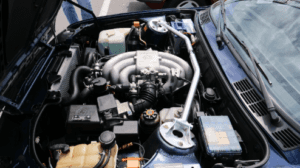
vehicle engine bay by Splash Pic is licensed with Unsplash License
0 comment(s) so far on How Do You Know If Your Car Has a Fuel Pump Problem?