


How to Safely Transport Pets in Your Car
Traveling with pets in your car can be an exciting adventure, but ensuring their safety and comfort is important. Whether it’s a quick visit to the vet or a long road trip, keeping your pet safe should be a top priority. Pets can get injured or become anxious during a car ride if they feel unsafe. In this article, our team at Ike Honda in Marion, Illinois, will provide expert tips on pet safety in cars, including tips for traveling with dogs by car, to ensure a stress-free experience for you and your furry companion.
Understanding Your Pet’s Travel Needs and Safety
Every pet is different, and understanding their travel needs is the first step to ensuring their safety. Dogs, for example, can be more anxious in cars than cats, and their size may affect the type of restraint or crate you need. While it’s tempting to let pets roam freely in the car, this can be dangerous. Loose pets can be injured in an accident, distract the driver, or escape through an open window. So, how to secure a dog in a car? Using the right equipment and following safety guidelines when traveling with pets by car is critical.
Essential Safety Restraints and Gear
One of the best ways to keep your pet safe in your new Honda is by using restraints or travel gear.
Pet Seat Belts
Dogs traveling uncrated in the vehicle should wear seat belts, just like humans. A pet seat belt keeps them securely fastened while allowing some mobility. This reduces the likelihood of injury during sudden stops or accidents. Seat belts are an easy and affordable solution to ensure dog safety in the car.
Crates or Carriers
Crates are especially effective for smaller pets or dogs that feel more secure in enclosed spaces. Ensure the crate is well-ventilated and large enough for your pet to stand and turn around. Secure the crate or carrier to avoid sliding or tipping as you drive.
Barriers
For safe dog car travel for larger pups, you can install a pet barrier between the back and front seats to prevent them from moving around the car. This is ideal for keeping dogs safe from injury and the driver safe from distractions. The right option depends on your pet’s size and temperament, but securing your pet is always the best way to protect them and yourself.
Preparing Your Pet for the Car Journey
Before heading off on a long car trip, it’s important to prepare your pet for the journey. This includes training them to feel comfortable in the car and creating a familiar environment to reduce anxiety. Here’s how to do it:
- Practice short trips: If your pet isn’t used to car rides, start with short trips around the neighborhood. As they become more comfortable, gradually increase the distance and duration.
- Bring familiar items: Bring your pet’s favorite blanket, toy, or bedding to create a sense of security. Familiar smells and objects can help ease travel anxiety.
- Limit food and water: Avoid giving your pet too much food or water immediately before traveling to prevent motion sickness. However, ensure they stay hydrated during long journeys by offering water breaks.
Best Practices for Pet Travel in Cars
Following best practices for pet travel can prevent accidents and ensure a comfortable ride for you and your pet. Here are some key guidelines for pet safety in cars:
- Secure your pet: Always use a pet seat belt, crate, or barrier to keep your pet safe on the move.
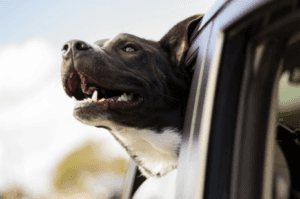
- Keep heads inside: While dogs love to stick their heads out of the window, this can be dangerous for dog car safety. Flying debris, branches, other cars, or sudden stops could injure them. The best way to travel with dogs is with the windows closed or slightly cracked.
- Take breaks: If you’re on a long road trip, plan to stop every two to three hours to let your pet stretch their legs, relieve themselves, and have a drink of water.
- Avoid front seats: Airbags can be dangerous for pets. Always keep pets in the back seat where they’re safest.
Temperature Considerations and Comfort
If you’re wondering how to travel with dogs in a car, temperature is important. Pets can be highly sensitive to temperature changes. Never leave your pet alone in a stationary car, even for a few minutes, as temperatures can fall or rise dramatically and put them at risk.
If possible, maintain a consistent temperature in the car by using air conditioning or heating. Use sunshades on windows to keep the car cool, especially during the summer. You can also drape a towel over your pet’s crate for additional shade. Pack blankets and heating pads to keep them warm on winter trips. Always check on your pet to ensure they’re not overheating or too cold.
Emergency Preparedness and Handling Unexpected Situations
Even with the best preparations, emergencies can happen. Here’s how to be ready for those situations and keep your pet safe:
- Carry a pet first aid kit: Your kit should include bandages, antiseptic wipes, and any medication your pet might need during the trip.
- Have identification: Ensure your pet’s collar has updated contact information, and consider getting your pet microchipped in case they get lost.
- Plan for Emergencies: Research veterinary clinics along your route in case your pet requires medical attention.
With these steps, you’ll be prepared to handle any unexpected issues on the road.
Concluding Tips and Best Practices Recap
Traveling with pets can be a fun and rewarding experience, but it requires careful planning to ensure their safety and comfort. Always secure your pet with proper restraints, such as seat belts or crates. Prepare them for the journey by practicing with short trips, and keep them comfortable by maintaining a climate-controlled environment. Never leave your pet unattended in the car, and be prepared for emergencies with a first aid kit and current identification. By following these expert dog travel tips, you’ll ensure that your pet is safe and relaxed while traveling in your car.
dog looking out the window by Andrew Pons is licensed with Unsplash License
0 comment(s) so far on How to Safely Transport Pets in Your Car