


How Do I Know If My Brake Pads Are Worn Out?
Brakes are essential to ensuring your safety while driving around town in your car. When you need to stop, your car should stop immediately. Because brake pads should last between 20,000 and 40,000 miles, it may be tough to know when to replace them.
A slow response time from your brakes is a good sign that the brake pads are on their way out and need replacing. Other indicators range from a squeaking or grinding noise to mysterious vibrations from your brake pedal. Check out our overview for a better understanding of all the warning signs of bad brake pads.
Tell-Tale Signs Your Brake Pads Are Worn Out
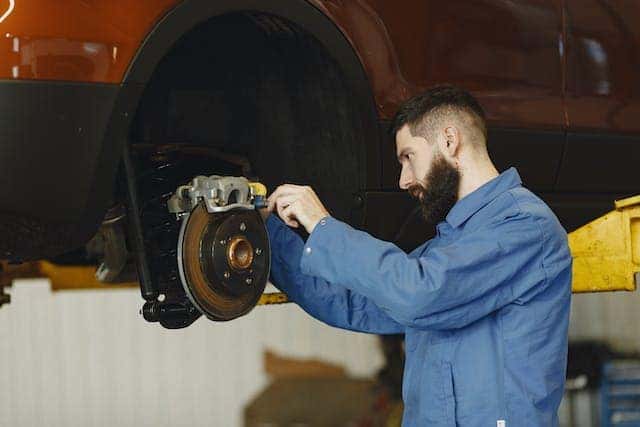
While there are universal signs that your brake pads are worn out, a visual inspection is the best way to confirm a brake issue. At Ike Honda, our certified service technicians draw upon years of experience diagnosing problems and providing quality service to remedy them. Bring your car to our service center in Marion, Illinois, to address your concerns and get a thorough inspection. Knowing the signs of worn-out brake pads can help prevent extensive damage to your car by taking it to an auto service center as soon as you notice the following issues.
Squealing When You Stop
Your driving experience should be fairly quiet, aside from the purr of your car’s engine and the pleasing sound of your favorite song pumping through the audio system. So, loud, unexpected noises can indicate something is wrong with your vehicle. Have you noticed a harsh squeaking sound from your car every time you come to a stoplight? Your brake pads are likely worn out and need replacing.
Most brake pads manufactured today feature built-in indicators that screech when worn down to a certain extent. This indicator is a metal tab near the brake pad’s top. When the pad wears down, the indicator scrapes against the brake rotor, causing an awful squealing sound. Avoid the sound worsening and the brake pad wearing down further by bringing your vehicle to an experienced mechanic as soon as you hear this sound.
Grinding When You Drive and Brake
Another sound indicator of worn-out brake pads is a rough grinding noise every time you stop your car. When your brake pads are worn out, the backing plate presses against the rotor. The result causes metal to grind against metal, which emits a gritty sound. You may also notice that pushing down on your car’s brake pedal feels rough. A brake check at a certified auto service center can confirm where the sound is coming from and replace your brake pads if necessary.
Extended Stopping Distances
You rely on your vehicle’s brake system to stop the car when needed. It should come to a complete stop immediately after pressing down on the brake pedal. If your brakes don’t function as expected, you risk sliding to a stop and colliding with another vehicle. This issue is especially risky when driving down a hill or on a winding road. If you travel in hilly areas often, your brake pads will wear down sooner because you use them more to handle slopes.
Extended stopping distances result from worn-out brake pads that fail to bring your car to a full stop. There isn’t enough brake material left to cause the friction needed to stop or slow down. Ensure responsive stopping power from your vehicle with a brake replacement.
Grooves in the Rotor Surface
Take a look at your brake pads if you notice something off about their performance. While your car is parked, examine the rotor that’s visible between the spokes of your wheel or rim. The rotor is the circular metal disc that the brake pads clamp onto. Deep grooves on the rotor’s surface indicate they need servicing. Get a brake check from a certified auto mechanic for proper diagnosis and repair.
Pulsation in the Pedal
Braking should be a smooth process from the moment you step on the brake pedal to when your car comes to a full stop. If your brake pedal shakes when you step on it, your brake pads are likely worn out. Another reason might be that the brake pads are overheated. To be sure, visit our service center at Ike Honda for an inspection and get a brake pad repair if needed.
Pulling to One Side
When you brake, your car should brake evenly, meaning the pads wear out at the same rate. Unfortunately, this doesn’t always happen. One side of your braking system might thin out sooner than the other side, causing your car to pull to the left or right as soon as you hit the brakes.
If you notice a significant shift in your car’s position when you come to a stop sign, the brake pads need replacing. While there may be other factors causing this shift, such as uneven tire pressure, a professional mechanic will be able to diagnose the issue in no time.
When Should I Get My Brakes Checked?
We recommend getting your brakes checked every six months. This preventive service inspects your braking system to ensure everything is working correctly. If we notice significant wear on the brake pads, shoes, or rotor, we’ll help you replace them.
In between visits to our Ike Honda service center, you can perform brake checks while driving. Keep an ear out for odd noises when you come to a full stop. Pay attention to how your brake pedal feels when pressing it down. You can also do an occasional visual check to ensure the rotor is free of grooves or dirt build-up. If you suspect there’s an issue with your brakes, give us a call at 618-422-9020.
Get Your Brake Pads Replaced at Ike Honda
Have you experienced one or more of these issues with your brakes? It may be time for a brake pad replacement. Schedule a brake service at Ike Honda Service Center in Marion, Illinois. Our expert technicians will look at your vehicle and its braking system to find what causes these problems. They’ll replace the brake parts and ensure you get a reliable performance from your brakes.
Man in Blue Uniform Fixing the Car’s Brake System by Gustavo Fring is licensed with Pexels License
0 comment(s) so far on How Do I Know If My Brake Pads Are Worn Out?