


What Is the Best Year for a Used Honda Ridgeline?
The Honda Ridgeline is a popular pickup truck with a reputation for offering the best qualities of a pickup in a package that drives more like an SUV. The Ridgeline offers a smooth ride on the road, is easy to handle, and has a bed with the utility you need in a pickup truck. If you’re looking for a used Honda Ridgeline, you have several model years to choose from. First-generation models ranging from 2009 to 2012 are known for their reliability, but second-generation models ranging from 2018 to the present are also good choices.
Why Model Year Matters When Buying a Used Honda Ridgeline
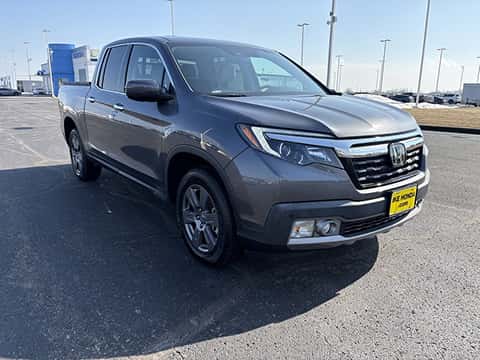
Model year determines far more than age when shopping for a used Honda Ridgeline. Each year represents specific engineering decisions, feature updates, and reliability patterns that affect your ownership experience. The Ridgeline evolved substantially between its first and second generations, with dramatic improvements in safety technology, fuel efficiency, and interior quality. Earlier models lack modern driver-assistance features like Honda Sensing, while recent years offer advanced connectivity that today’s drivers expect.
Certain model years experienced specific issues that can become costly headaches. Understanding these patterns helps you avoid problematic years and target models with strong reliability records. When you know which Honda Ridgeline years to buy and which to avoid, you position yourself to find a truck that delivers dependable performance for years ahead.
Best Years for Used Honda Ridgeline: Top Picks for 2026
Our certified technicians and service department have maintained hundreds of Ridgelines, giving us firsthand insight into which model years perform best over time. We’ve identified three distinct categories that represent the best years for used Honda Ridgeline purchases. Each offers unique advantages depending on your budget and priorities.
2017-2019: The Value Sweet Spot
The 2017-2019 model years deliver outstanding value for buyers seeking modern capability without near-new pricing. These second-generation Honda Ridgeline models brought transformative improvements over the first generation, including a more powerful 3.5-liter V6 engine producing 280 horsepower and a significantly upgraded interior with premium materials throughout.
The 2018 and 2019 models stand out as particularly strong choices. They benefited from refinements made after the 2017 launch year while maintaining the affordability that makes used truck ownership accessible. These models deliver 22 mpg combined fuel economy (exceptional for a midsize truck) while managing just 8 recalls total throughout their production run.
Look for 2017-2019 models with under 80,000 miles for the best combination of remaining life and value. These years offer the dual-action tailgate, in-bed trunk, and comfortable ride quality that define the Ridgeline experience. The six-speed automatic transmission in these models proves reliable when maintained properly with regular fluid changes, a service our technicians perform routinely.
2020-2021: Peak Second-Generation Performance
The 2020 and 2021 Honda Ridgeline models represent the peak of second-generation refinement. Honda introduced a comprehensive mid-cycle refresh in 2020 that elevated the Ridgeline substantially. Updated exterior styling gave the truck a more assertive presence, while the revised infotainment system with an 8-inch touchscreen improved usability dramatically. Most significantly, Honda made its Sensing safety suite standard across all trims, bringing forward collision warning, automatic emergency braking, and adaptive cruise control to every Ridgeline.
The upgraded 9-speed automatic transmission introduced in 2020 represents a meaningful improvement over the earlier six-speed unit. It delivers smoother shifts and better fuel economy while maintaining the same robust powertrain. The 2021 model continued these enhancements with refined cabin materials and additional standard features across trim levels.
These years strike an excellent balance for buyers who want modern safety technology without paying near-new prices. Our extensive OEM parts inventory means reduced wait times when you need maintenance, keeping your 2020-2021 Ridgeline running smoothly. The second-generation Honda Ridgeline reliability in these years reflects Honda’s continuous improvement philosophy, with fewer reported issues than earlier second-generation models.
2023-2024: Near-New with Modern Updates
The 2023 and 2024 model years appeal to buyers seeking the latest technology with minimal depreciation from new pricing. These near-new Ridgelines feature the most current infotainment systems with wireless Apple CarPlay and Android Auto, enhanced connectivity options, and refined suspension tuning for improved ride quality. The latest iterations of Honda Sensing include traffic jam assist and low-speed follow functionality that makes highway driving less fatiguing.
While we don’t have long-term reliability data for these recent years, they benefit from Honda’s mature second-generation platform and years of refinement. Factory warranty coverage typically remains active on 2023-2024 models, providing peace of mind during your ownership period. These trucks also qualify for Honda’s Certified Pre-Owned program, which adds factory-backed warranty coverage and multi-point inspection assurance.
Key Changes Across Honda Ridgeline Generations
Understanding the evolution between Honda Ridgeline generations helps explain why certain years rise to the top. The contrast between first and second generations reveals fundamental improvements that affect daily ownership.
| Aspect | First Generation (2006-2014) | Second Generation (2017-Present) |
| Common Issues | Engine failure (early models), interior accessories problems, body/paint problems | Electrical gremlins, fuel system problems, interior accessories, brake assist issues |
| Notable Improvement | Facelifted versions (2009+) had fewer complaints | Mid-cycle refresh (2020+) added 9-speed automatic transmission and standard Honda Sensing |
| Transmission | Generally reliable in later years | Six-speed transmission (2017-2019) requires regular fluid changes |
The first generation (2006-2014) pioneered the sport utility truck concept with innovative features like the in-bed trunk and dual-action tailgate. However, these trucks lacked modern safety technology and suffered from clear coat issues where paint faded or peeled. The facelifted versions from 2009 onward addressed many early complaints, but they still feel dated compared to contemporary trucks.
The second generation launched in 2017 brought the Ridgeline into the modern era. Built on Honda’s current truck platform, these models feature improved structural rigidity, more powerful engines, and vastly superior technology. Mid-cycle improvements in 2020 addressed most concerns, making later second-generation models our top recommendations.
Used Honda Ridgeline Years to Approach with Caution
Certain Honda Ridgeline model years benefit from additional inspection focus. With proper evaluation, buyers can make informed decisions about these trucks.
2006: First-Year Production Considerations
The 2006 model year, as the inaugural Ridgeline, experienced cylinder issues that affected engine reliability. Given these documented concerns and higher complaint rates, buyers who find exceptional deals should budget for potential repairs and arrange thorough pre-purchase inspections with special attention to engine performance and compression testing.
2007-2008: Early Models with Known Maintenance Patterns
The 2007 and 2008 models showed marked improvement over the first year but developed predictable wear patterns in suspension components, particularly control arms, bushings, and ball joints. Buyers can purchase these years confidently when they find examples with documented suspension maintenance or budget accordingly for these repairs, which our certified technicians can address efficiently.
2017: Second-Generation Introduction with Resolved Transmission Patterns
The 2017 model launched Honda’s excellent second-generation design but experienced early transmission calibration issues that caused rough shifting. Honda refined these systems in later production, and many 2017 models benefited from service updates. Buyers can purchase 2017 Ridgelines with confidence when they verify complete transmission service history and confirm smooth operation during extended test drives. Our team can aslo help identify well-maintained examples.
What to Look for When Buying Any Used Honda Ridgeline
Our five decades serving Southern Illinois drivers taught us that thorough evaluation prevents costly surprises. These inspection points apply regardless of which best Honda Ridgeline years you’re considering.
Maintenance Records and Service History
Complete documentation reveals how previous owners treated the vehicle. Request records showing oil changes every 5,000-7,500 miles and transmission fluid changes at recommended intervals. Second-generation models with six-speed transmissions particularly benefit from regular fluid service. A vehicle history report from Carfax or AutoCheck provides accident history, title status, and service records from participating shops. We verify this information on all our used inventory, giving you confidence in vehicle condition.
Rust, Frame, and Structural Concerns
Southern Illinois winters mean road salt exposure that accelerates rust formation. Carefully inspect the frame, undercarriage, and body panels for corrosion. The Ridgeline’s unibody construction differs from traditional body-on-frame trucks, making structural integrity particularly important. Check door jambs, wheel wells, and the bed floor for rust penetration. First-generation models specifically struggled with clear coat failure, so examine paint condition closely on 2006-2014 trucks. Our service department can perform lift inspections that reveal hidden rust before purchase.
Previous Use and Overall Condition
How previous owners used the Ridgeline significantly impacts its remaining life. Trucks used primarily for commuting typically show less wear than those used for heavy towing or off-road driving. Examine the bed for dents and scratches that indicate work use. Test the AWD system engagement during your drive, ensuring it activates smoothly when needed. Check the backup camera functionality on 2018-2019 models, as these years experienced reported camera issues. Verify all gauge cluster lights illuminate properly and the radio operates correctly, as electrical problems occasionally affect second-generation models.
Find Your Perfect Used Ridgeline at Ike Honda
At Ike Honda, we’ve helped Southern Illinois families find reliable Honda Ridgelines since 1976. Our family-owned approach means no pressure, just honest guidance from sales professionals who understand Honda Ridgeline pros and cons across all model years. Browse our current used inventory to explore available Ridgelines, or ask about our Certified Pre-Owned options for added warranty protection and quality assurance.
4 comment(s) so far on What Is the Best Year for a Used Honda Ridgeline?
I am relocating from sarasota fla to mid vermont,i would prefer to purchase a ridgeline from the south due to obvious corrosion ,road salt, etc,hevent tead much about hondas a ability to navigate deep snow suggestions have been to upgrade to snow tires for winter use only i will be towing a few snowmobiles not an issue any suggestions i considered a toyota 4 runner as well?
With its all-wheel-drive system and a set of snow tires, the Ridgeline should perform well in deep snow and harsh winter conditions. It’s also more than capable of towing snowmobiles, so that won’t be an issue.
If you’re planning on using it regularly in challenging winter weather, the snow tires will make a big difference in traction and safety.
I have a 2017 Ridgeline that I absolutely love. I’m passing it on to my grandson and wondering if the new Ridgeline are as well built as my 2017? Also, I buy, I don’t lease… will the 2024 hold up without serious repairs for the next 7 years?
Thanks for your comment! Glad to hear you’re enjoying your 2017 Ridgeline and passing it on to your grandson – that’s awesome!
As for the 2024 model, it’s built with the same Honda reliability, so it should hold up well for the long haul. If you keep up with regular maintenance, it should serve you well for the next 7 years without major issues.